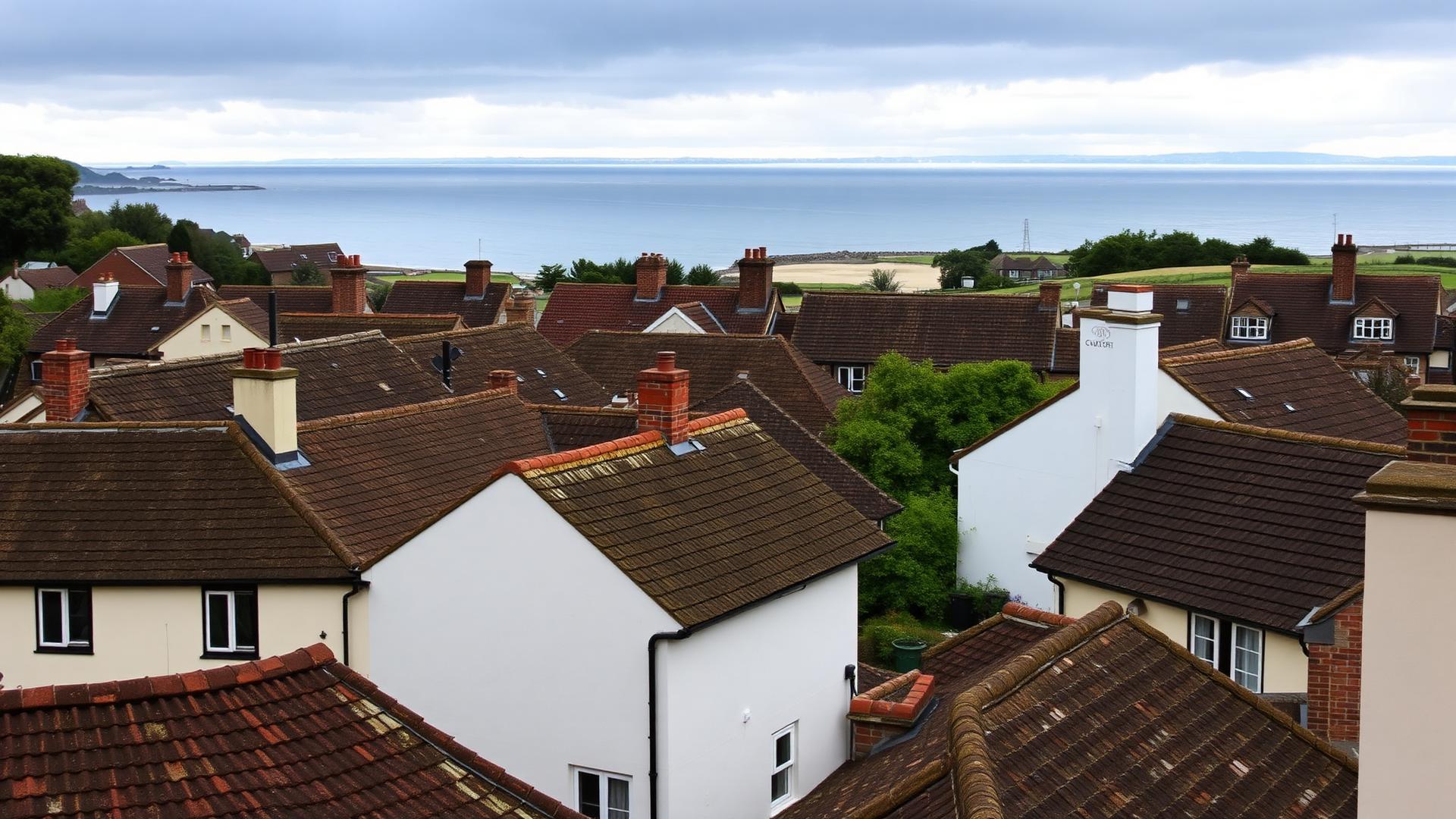
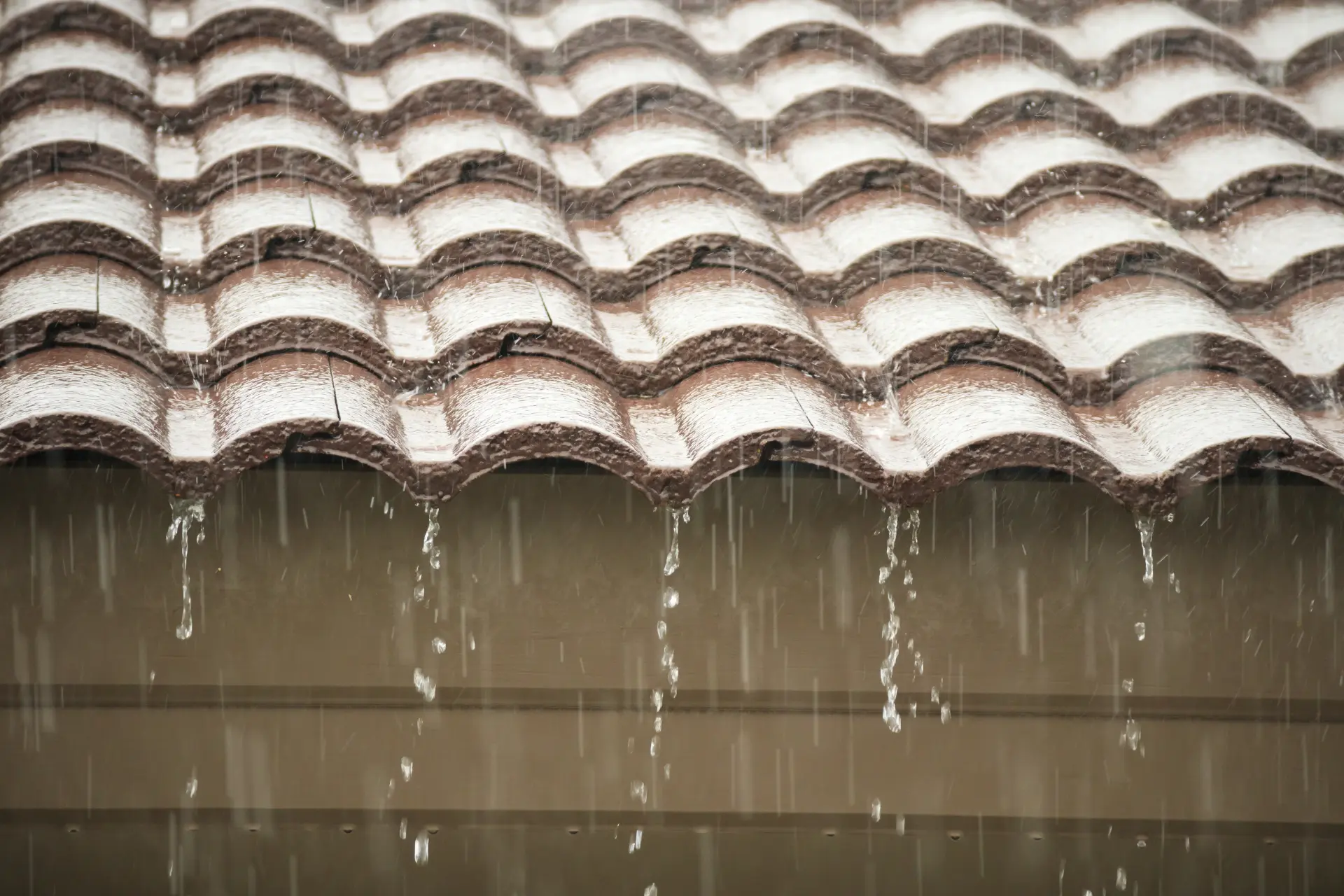
The first job usually isn't the permanent repair. It's getting the water stopped and the roof safe, then giving you a clear, written picture of what needs doing next.
Is this a roofing emergency?
If water's coming through a ceiling, part of the covering's gone and the roof's open, or loose slate is sitting above a pavement or parking space, call it in as urgent. If you're not sure, describe what you can see and we'll tell you over the phone whether it's a tonight job or one that can wait for daylight.
Water through the ceiling
An active drip, a spreading stain, or a damp patch that's getting bigger while you watch it.
Tiles or ridge blown off
Slipped or missing tiles after wind, or broken pieces turning up in the garden.
A large area of roof exposed
Felt or boarding showing through where the covering has lifted off the slope.
Tree or branch impact
Usually a localised puncture, with broken battens and cracked tiles around it.
Loose chimney or masonry
A leaning stack, cracked haunching, or bits of pot and render coming down.
Sudden severe flat-roof leak
A split or ponded membrane letting water in faster than you can keep up with it.
What to do before we arrive
- Move people, pets and valuables out of the affected room
- Keep away from any bulging or sagging ceiling and don't stand underneath it
- Turn off the electrics to that area if water's anywhere near a fitting or socket
- Please stay off the roof — a lot of storm injuries happen after the wind has dropped, not during it
What happens when you call
We'll work out what's failed, what's unsafe and whether water's still getting in. Loose tiles, hanging slate and unstable ridge sections come down or get secured first, then we close the roof with a temporary covering — or fix it properly on the same visit where that's realistic and safe in the conditions.
You'll get dated photographs before and after, a written description of the cause, and an itemised quotation for the permanent repair.
- 01
Tell us what has happened
One call, plain questions: what you can see, where the water's coming in, and how long it's been going on.
- 02
We assess the immediate risk
We work out whether anything's unsafe below the roof, and whether it can wait until daylight or needs us now.
- 03
Make-safe or emergency repair
Mechanically fixed sheeting, securing anything loose, or a targeted repair if conditions allow it.
- 04
Permanent repair where required
We'll explain in writing what lasting work is needed, quote it properly, and there's no obligation to use us.
Make safe now. Repair properly afterwards.
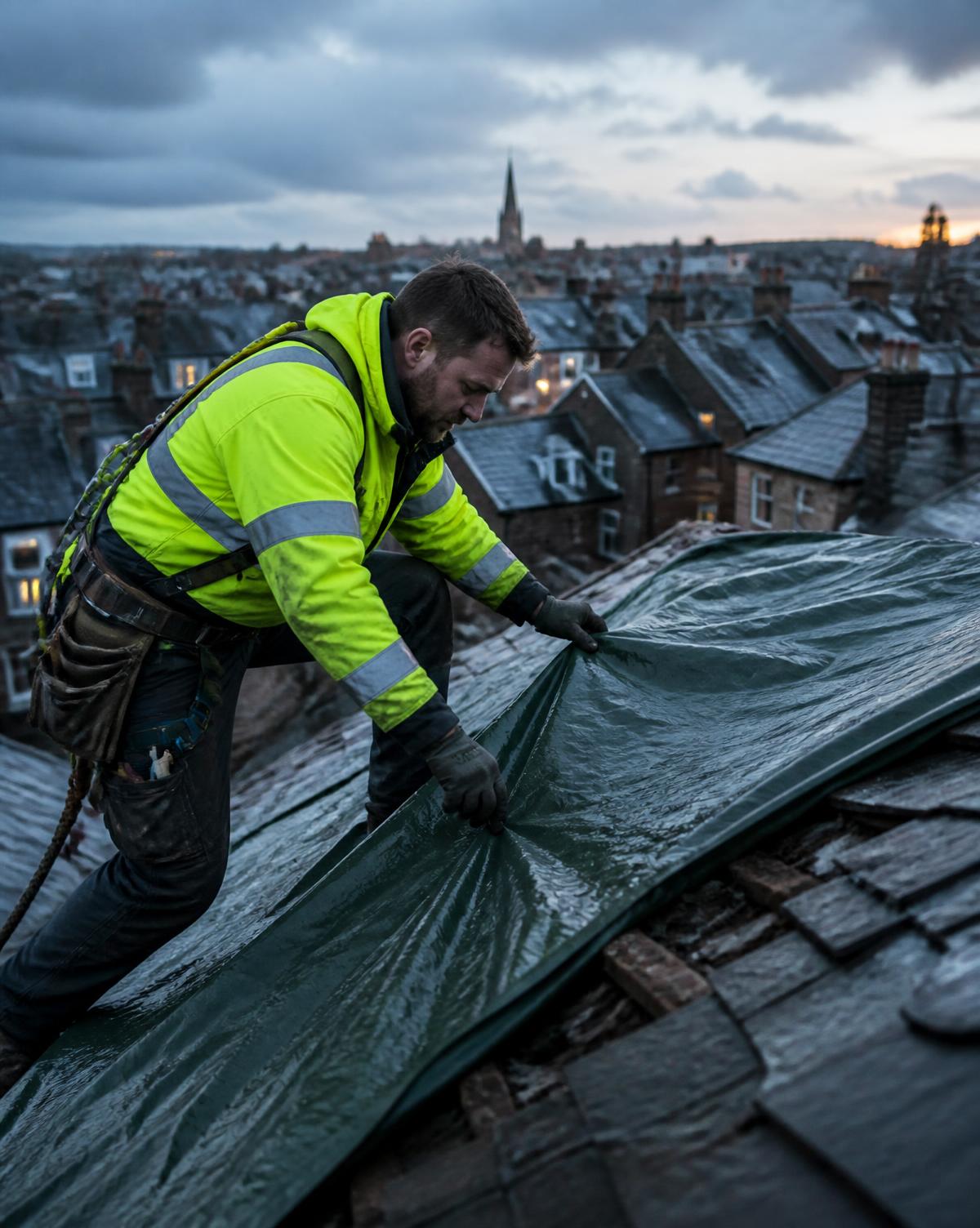
A properly fixed temporary covering will hold through further weather while the permanent repair is quoted, scheduled and, where relevant, agreed with an insurer. It's a holding measure, and we'll tell you how long we'd be comfortable relying on it.
Emergency make-safe
- Stop further ingress where it is possible to do so
- Secure dangerous elements — loose tiles, ridge, masonry
- Temporary weatherproofing, mechanically fixed
- Document the damage with dated photographs
Permanent repair
- Assess the underlying damage in daylight
- Replace failed materials and broken battens
- Repair roof structure and underlay where needed
- Complete a properly detailed weatherproof repair
Storm and tree damage on Bournemouth's exposed streets
Properties on the East and West Cliff, along the chines and on the high ground at Talbot Woods and Queens Park take wind that the sheltered valleys inland never see. Roofs there tend to fail at the edges first — verge, ridge and hip — because that's where the wind gets underneath the covering.
Trees are the other Bournemouth-specific risk. A pine limb through a roof is a different job to wind damage: it's usually structural, and the make-safe has to account for what the branch did to the rafters, not just the tiles. Pine litter also blocks valleys and hoppers, which is why the first heavy rain after a gale so often brings a leak with no visible damage at all.
Documentation if you intend to make a claim
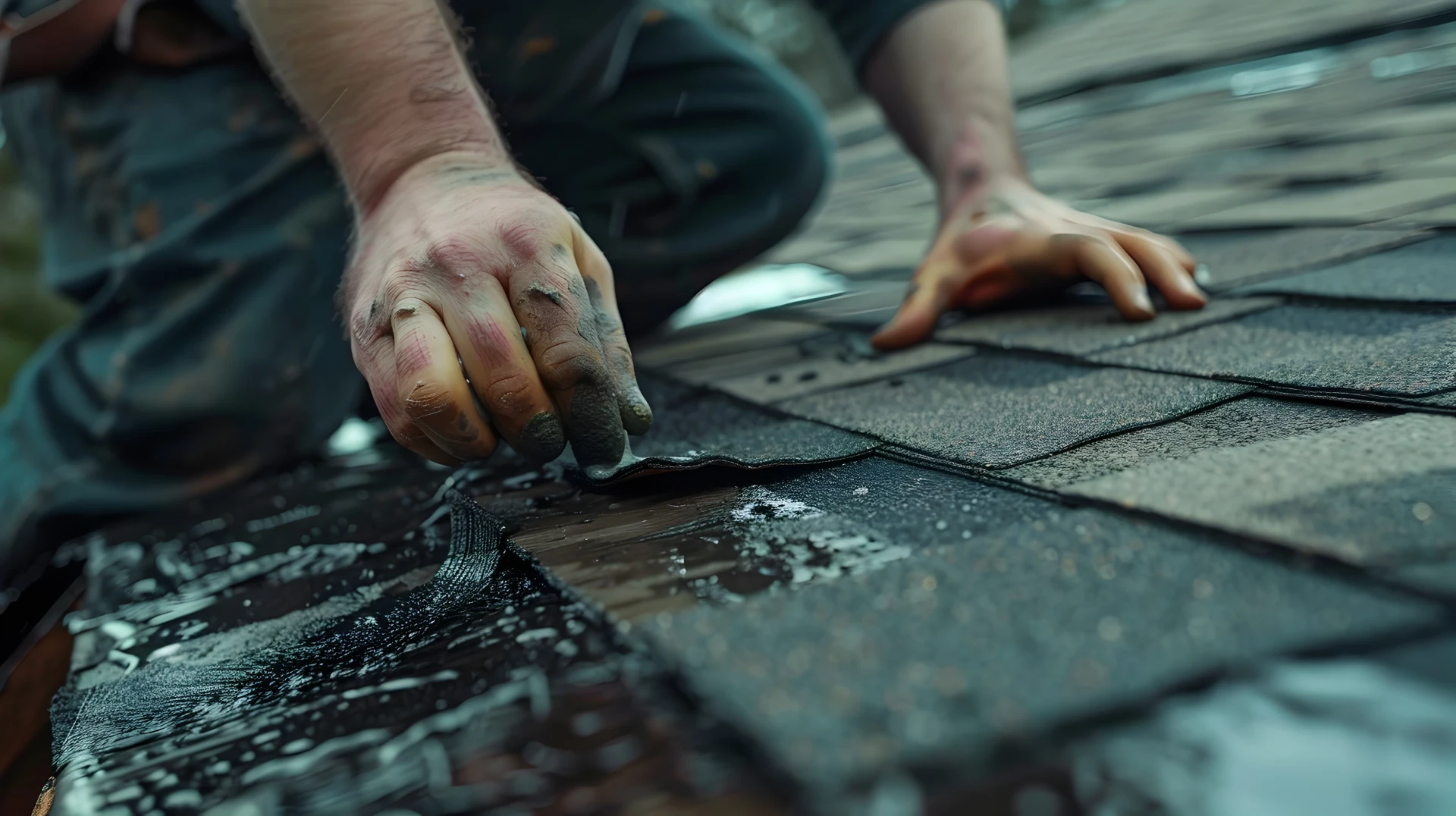
We don't handle claims, but we'll provide dated photographs of the damage and the make-safe, a written description of the cause, and an itemised quotation for the permanent repair. Take your own photographs early too, inside and out, wherever it's safe to do so.
Whether the work's covered depends on your policy, its terms and your excess, so it's worth confirming with your insurer rather than assuming storm damage will be paid for.
Flats, tenants and where we attend in Bournemouth
A lot of our emergency calls here come from top-floor flats, HMOs and holiday lets, where the person reporting the leak isn't the one who owns the roof. We'll attend, make safe and document what we found — usually just what a freeholder or managing agent needs before authorising anything permanent.
- Town centre, East Cliff and West Cliff (BH1, BH2)
- Boscombe, Pokesdown and Southbourne (BH5, BH6)
- Winton, Charminster and Queens Park (BH8, BH9)
- Talbot Woods, Talbot Village and Wallisdown (BH3, BH10)
- Westbourne, Alum Chine and Branksome (BH4)
- Kinson, Ensbury Park and Northbourne (BH10, BH11)
Common questions
What homeowners in Bournemouth usually want to know about emergency roof repairs.
Ask us anything