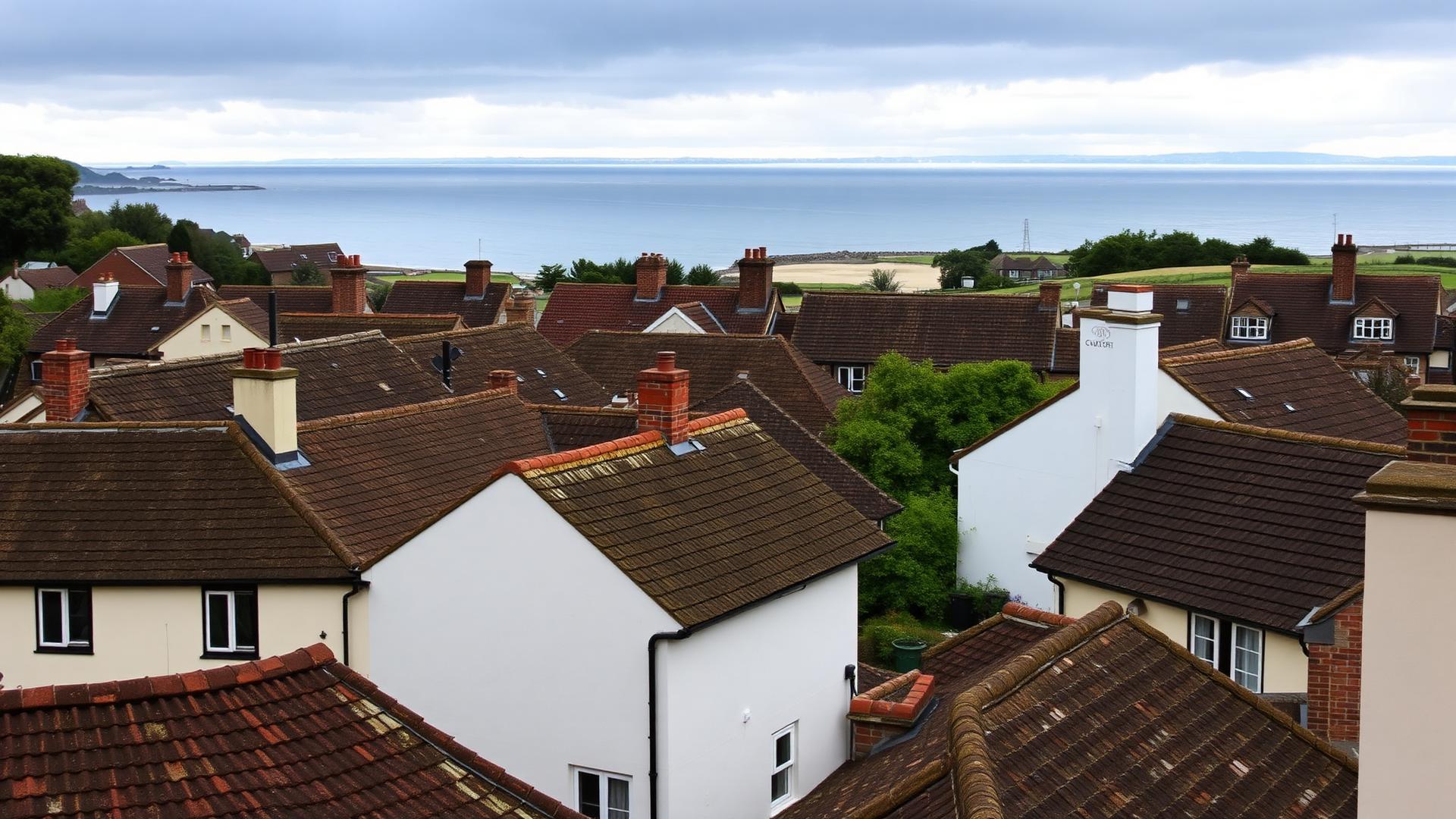
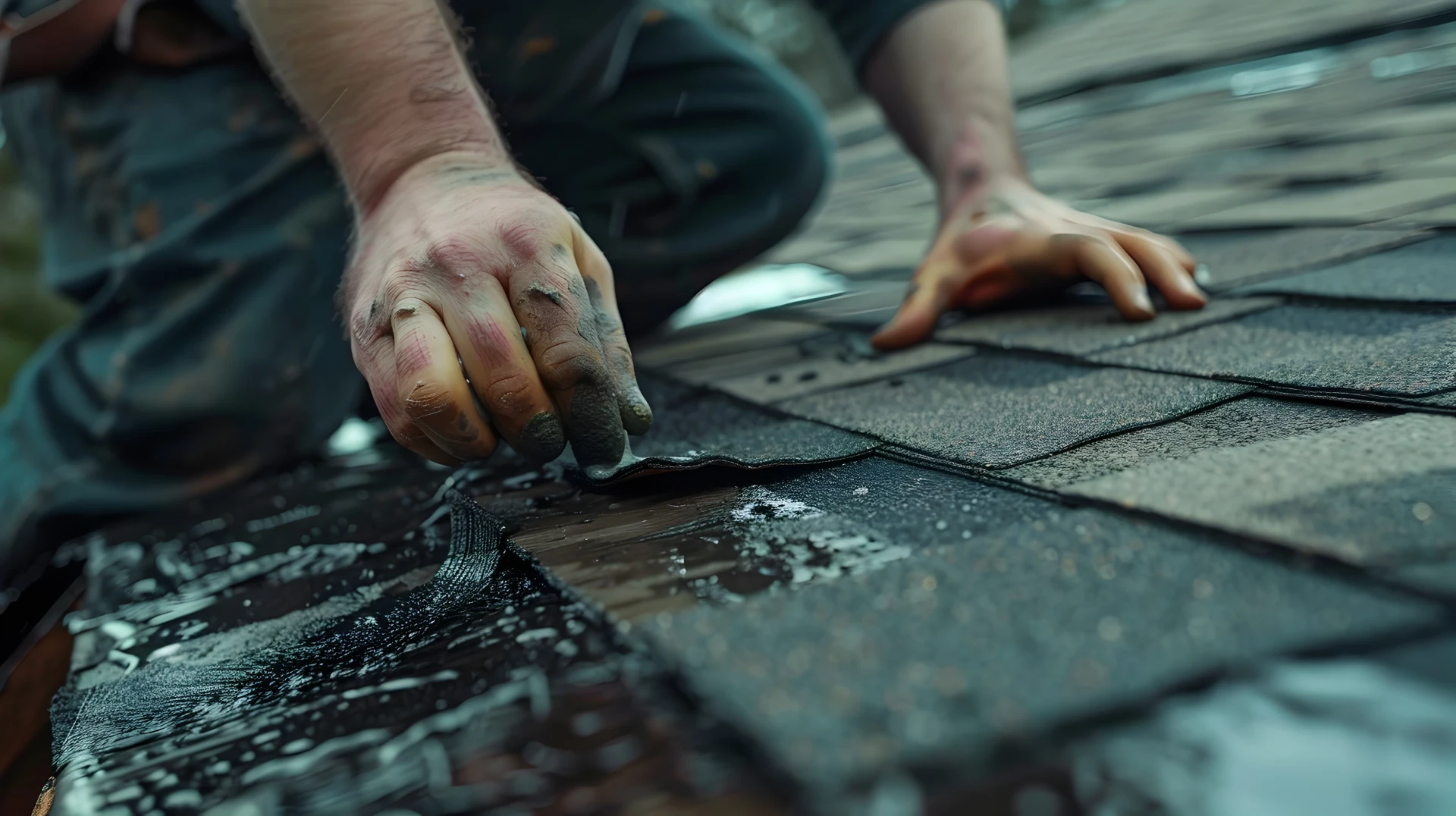
When you call about an emergency, we assess what is safe and focus first on limiting water entry and making the area safe.
Call us straight away if
- Water is running rather than dripping, or a ceiling is bulging
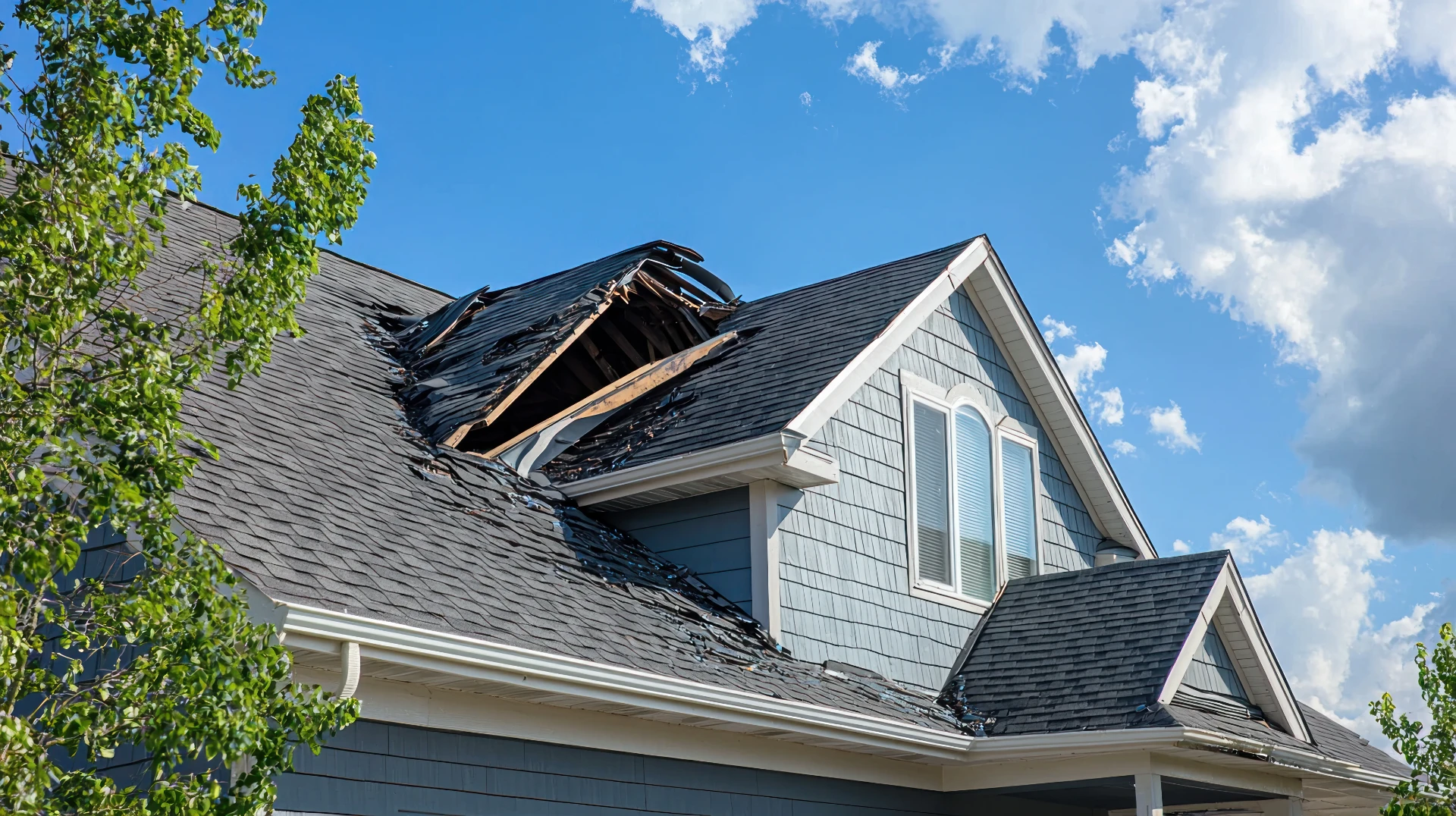
- Tiles, slates or ridge sections have come off and more are loose
- Something has struck the roof — a branch, an aerial, a neighbouring structure
- A chimney stack is leaning, cracked or shedding masonry
- Water is anywhere near electrics, or a loft hatch is dripping
- Rainwater is pouring over a blocked or detached gutter into the wall
What we do when we arrive
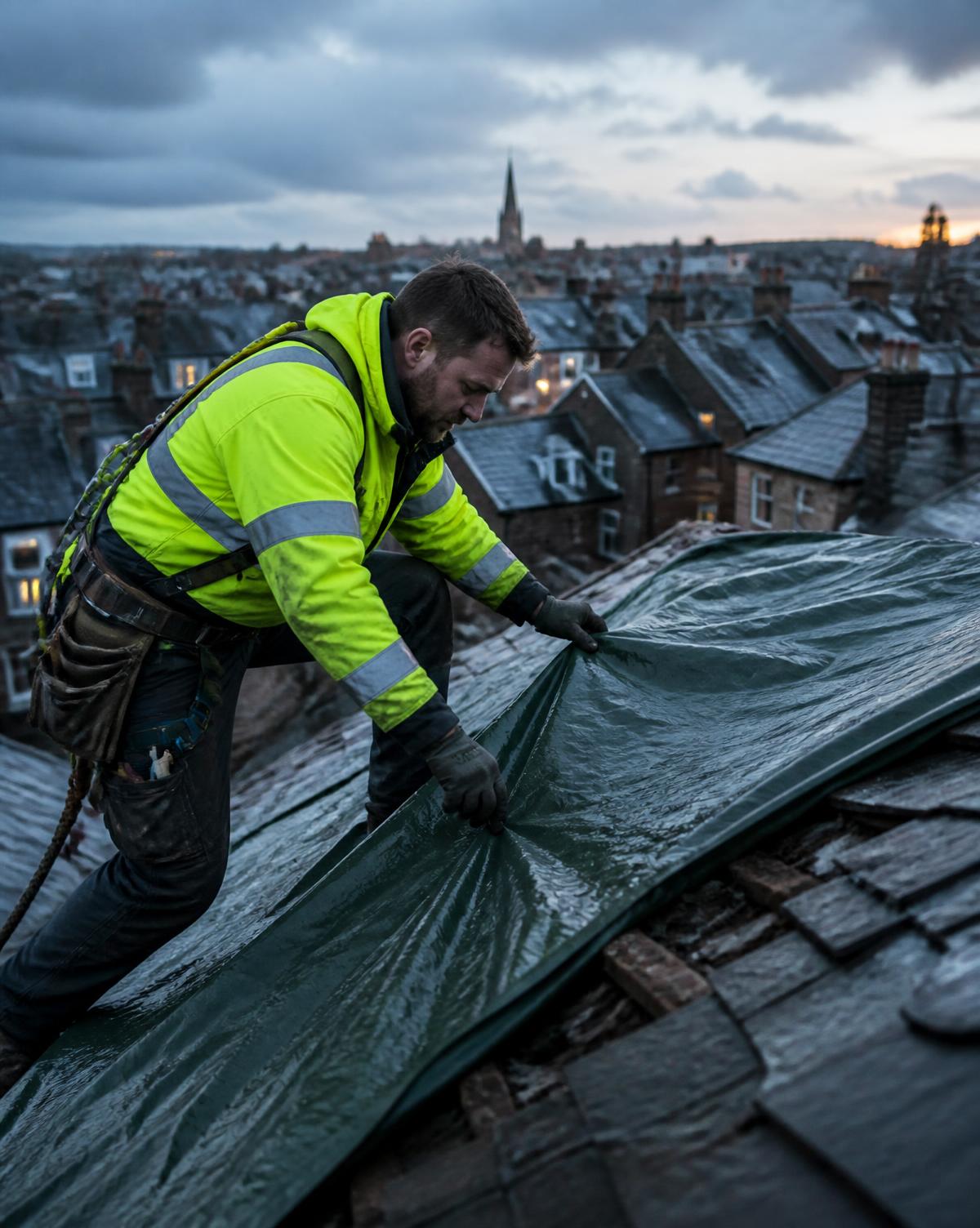
The first job is stopping the ingress. That usually means mechanically fixed sheeting over the affected area rather than a tarpaulin held down with blocks, which the next gust will just whip off again. We take any loose material off the roof so it can't fall, and cordon off anything unsafe at ground level.
Where we can make a permanent repair safely there and then, we will. Where we can't — because of wind, darkness or the extent of the damage — we'll secure it properly and come back as soon as conditions allow.
Insurance: what to capture
Photograph the damage from inside and out before anything gets moved, keep any tiles or debris that came down, and note the date and time it happened. We'll give you a written record of the call-out, our make-safe work and the recommended permanent repair — which may help an insurer or loss adjuster review the incident.
- 01
Tell us what has happened
One call, plain questions: what you can see, where the water's coming in, and how long it's been going on.
- 02
We assess the immediate risk
We work out whether anything's unsafe below the roof, and whether it can wait until daylight or needs us now.
- 03
Make-safe or emergency repair
Mechanically fixed sheeting, securing anything loose, or a targeted repair if conditions allow it.
- 04
Permanent repair where required
We'll explain in writing what lasting work is needed, quote it properly, and there's no obligation to use us.
Reducing the odds next time
Most of the emergency call-outs we attend in Hampshire were actually foreseeable: mortar ridges that were already cracked, verges that had already lost their pointing, gutters that hadn't been cleared in years. Once the emergency's dealt with, we'll tell you which details on your roof look like the next likely failure — and it's entirely your call whether to act on it.
Emergency make-safe
- Stop further ingress where it is possible to do so
- Secure dangerous elements — loose tiles, ridge, masonry
- Temporary weatherproofing, mechanically fixed
- Document the damage with dated photographs
Permanent repair
- Assess the underlying damage in daylight
- Replace failed materials and broken battens
- Repair roof structure and underlay where needed
- Complete a properly detailed weatherproof repair
Common questions
What homeowners in Hampshire usually want to know about emergency roof repairs.
Ask us anything