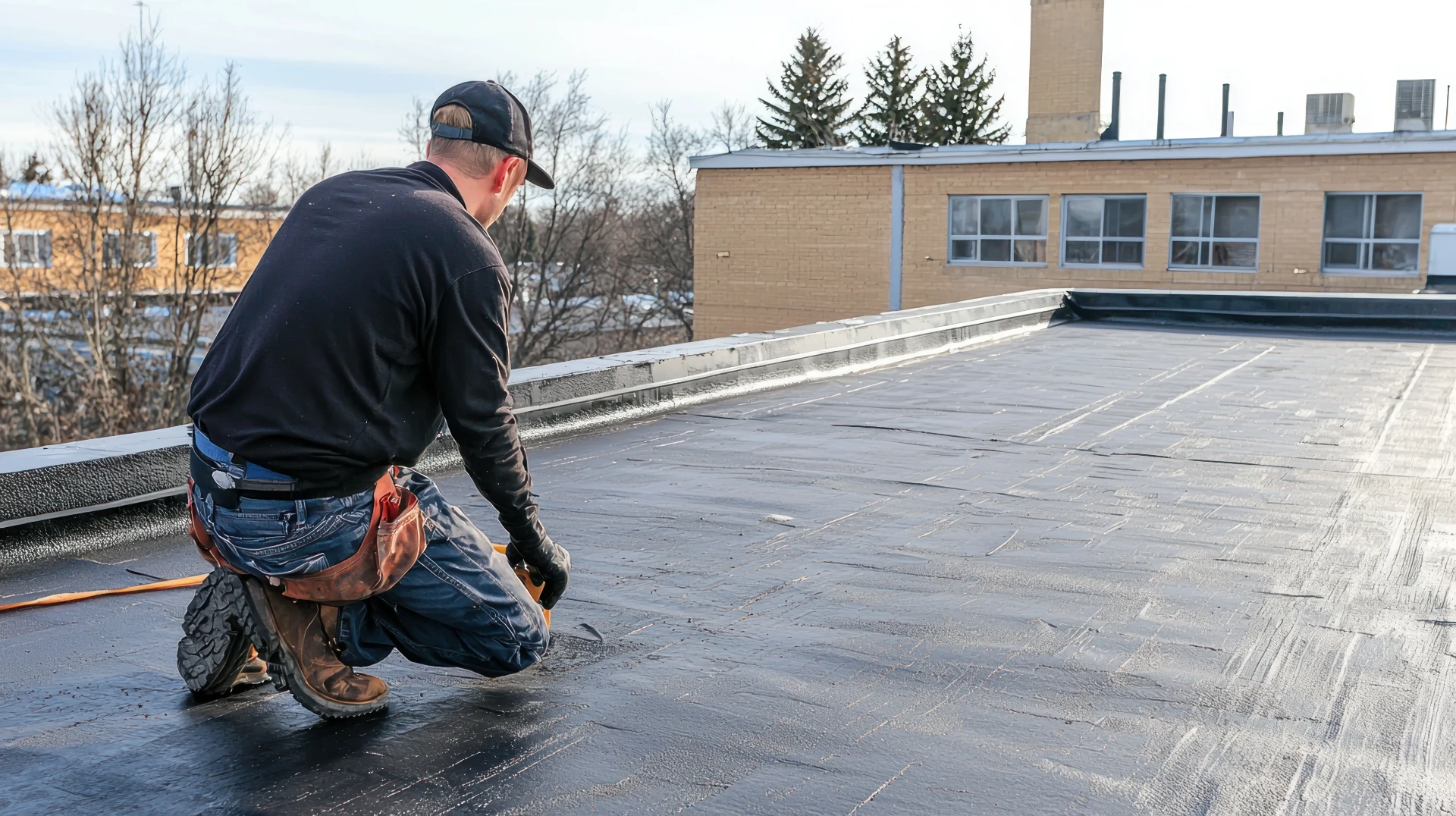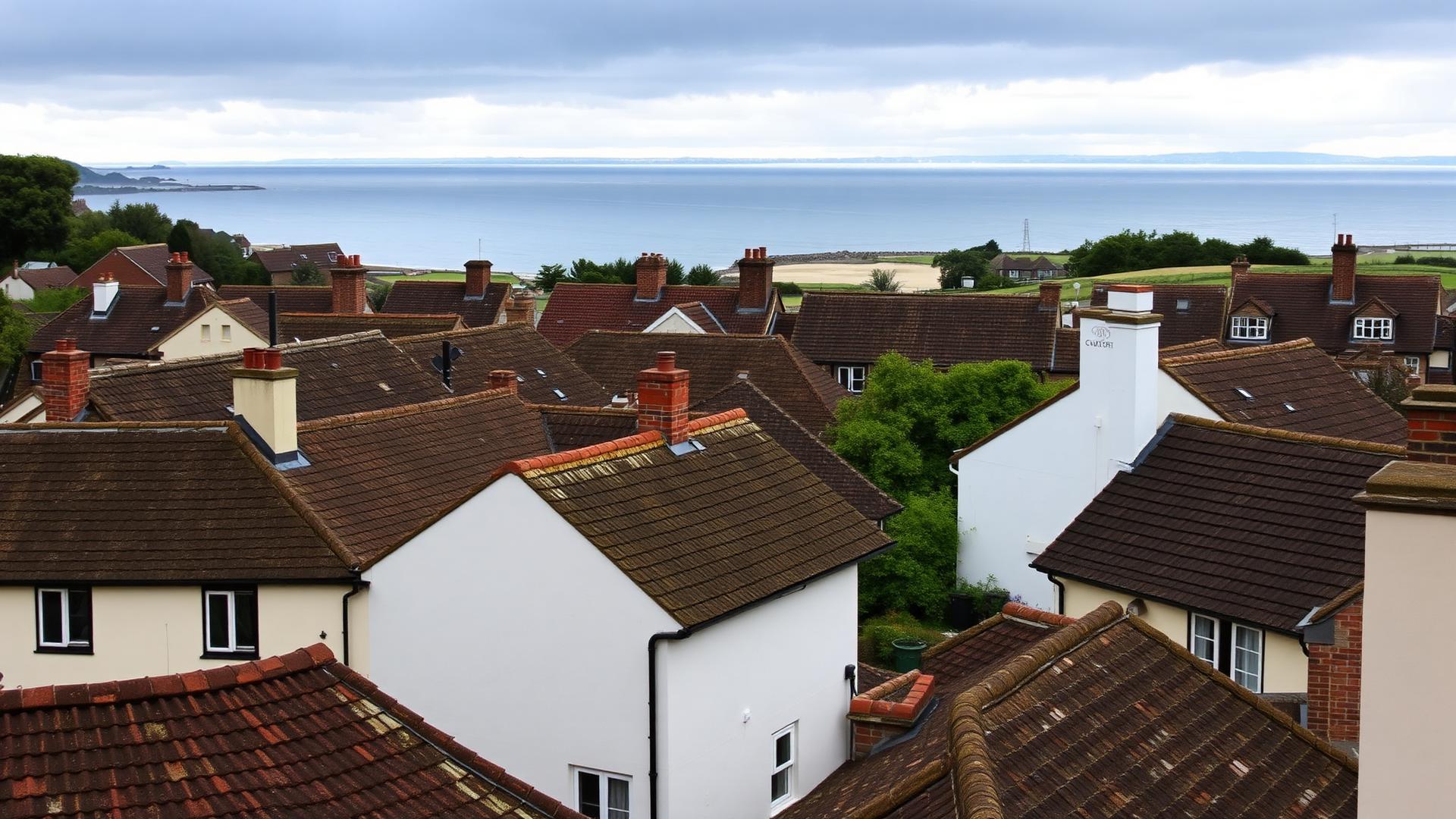
Wind uplift is the local difference. Inland, a flat roof usually fails from ponding or age. Here it very often fails at the perimeter, where wind gets under an edge trim or an upstand and starts to peel the covering.
Edge detailing is the whole job
On an exposed site the field of a flat roof is rarely the problem. We spend the effort on perimeter fixing — trims mechanically fixed rather than adhered alone, upstands taken to full height and properly terminated, and the membrane bonded across the edge zone at the higher fixing density that exposure calls for.
Which system suits which roof
GRP fibreglass
The usual answer for balconies and roof terraces because it is hard-wearing underfoot and seamless, and can be finished with a non-slip surface. It has to be laid in dry conditions, which needs planning on a coastal site.
EPDM rubber
One-piece membrane over the field of the roof, which suits garages, extensions and dormers. It stays flexible in the cold and copes well with slight deck movement.
Multi-layer torch-on felt
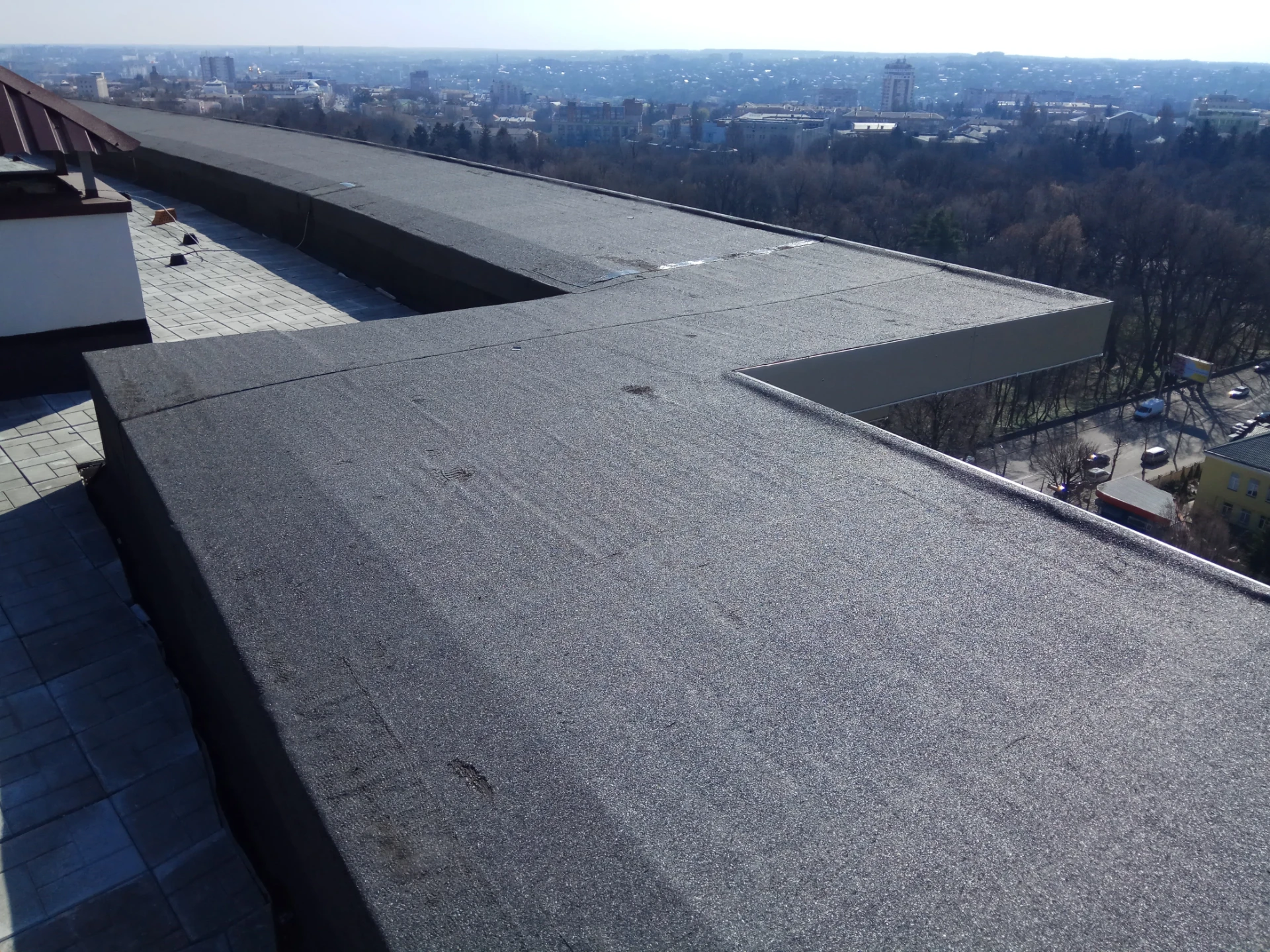
Robust and cost-effective on larger areas and communal blocks, and a long way removed from the single-layer felt it usually replaces.
Falls, outlets and salt
Water has to leave the roof. We check the fall before quoting and correct it with tapered insulation or firrings where the deck allows, because ponding shortens the life of every covering. Outlets, rainwater pipes and any metal trim near the water get specified in materials that will not corrode out within a few years.