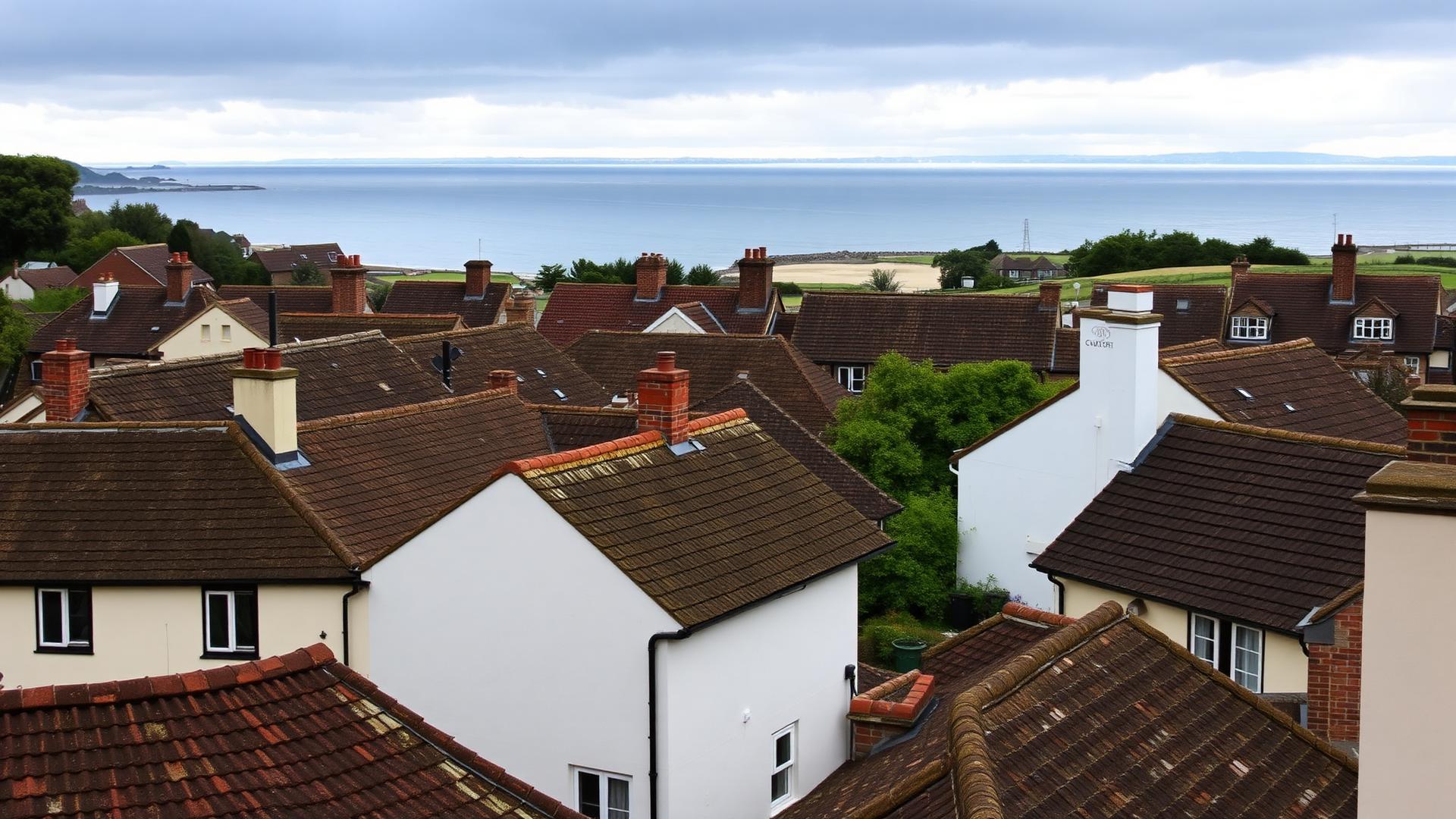
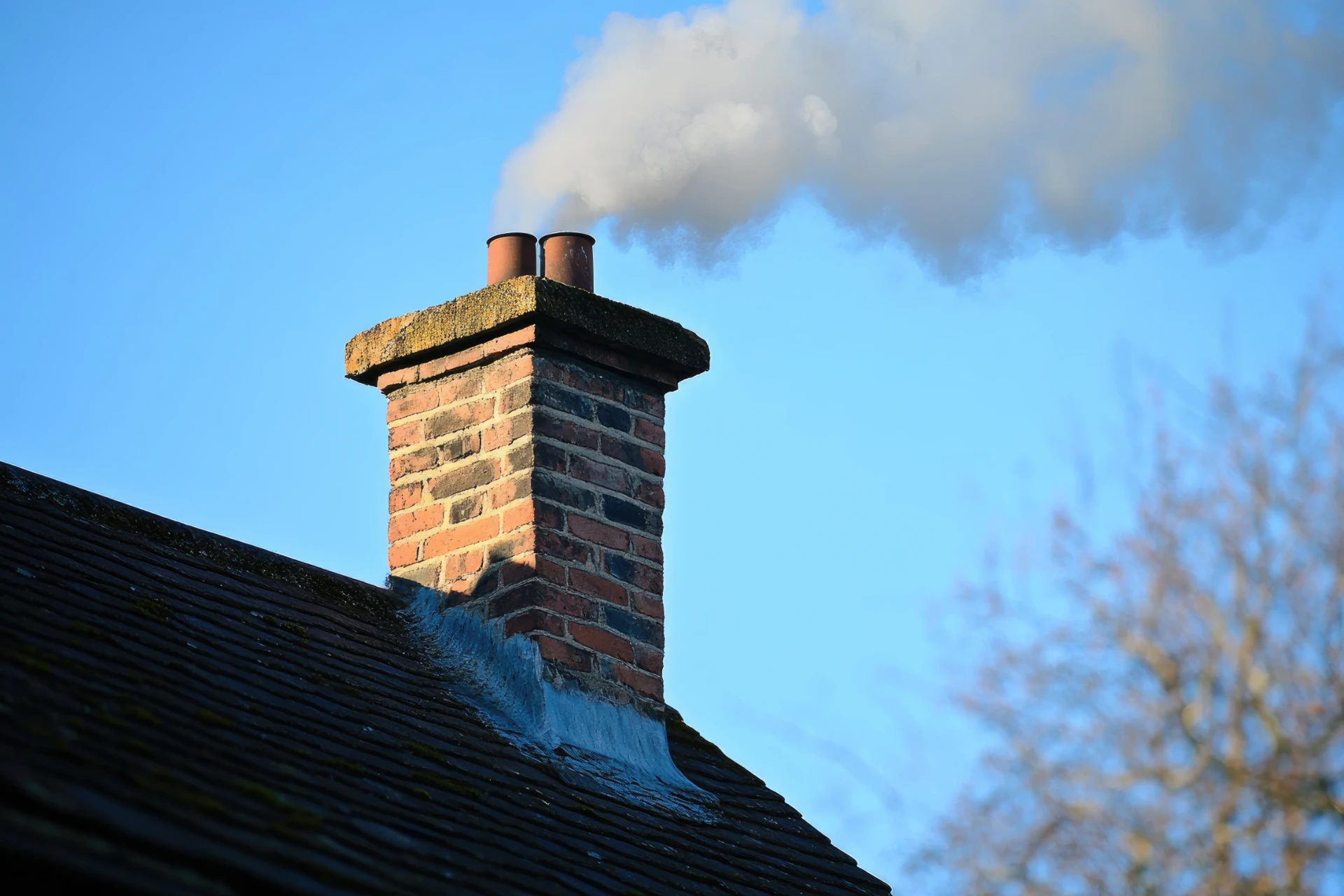
Where a stack's redundant and deteriorating, removing it and closing the roof cleanly is often the more sensible option than paying to maintain something you no longer use.
Signs a Dorset stack has reached the end
- Pointing washed soft on the prevailing south-westerly face
- Flaunching cracked, with pots loose or already removed and capped badly
- A damp bloom on the chimney breast that returns every winter
- Flashing patched with mastic rather than relaid in lead
- Bricks spalling after frost, faces flaking onto the roof
- No fire or appliance has used the flue in living memory
Where the water gets in, and why the stain sits lower
There are three usual routes: down an open flue, through cracked flaunching at the pots, and through the lead-to-brick joint. Once inside, water tracks down the flue or through the brickwork and shows up on the breast a storey below where it actually got in.
That gap between cause and symptom is why painting or sealing the breast usually just moves the problem along — the water's already in the structure.
- 1Driven rain gets in at the top of the stack
- 2Cracked flaunching around the pot
- 3Open pointing and spalled brickwork
- 4Water tracks down the flue
- 5Lead flashing — another failure point
- 6Staining shows on the chimney breast below
Down to roof level, or breast and all
Partial removal takes off the exposed section and weathers it properly, keeping the look of the house and the breast below intact. Full removal reclaims the floor space, but brings structural support, plastering and building control into the job.
Retain & repair
Repoint it, re-flaunch, renew the flashing and cap it off. Keeps the roofline as built, though it does mean ongoing maintenance.
Down to roof line
We take off the exposed section and make the roof good, leaving the breast intact inside. Less disruption, and no internal work.
Full removal
Stack and breast come out completely, with structural support designed in. The biggest job, but it frees up floor space.
How we take it down and rebuild the roof
Course by course, never pushed over, with debris kept under control and any brickwork left in the roof space made stable. Then rafters and battens made up, new underlay dressed in, and tiles matched into the surrounding covering with new leadwork to finish it off.
Access & protection
Scaffold up to the stack, roof and grounds protected, and a debris route planned before a single brick moves.
Take down
We take the stack down course by course rather than pushing it over, lowering brick and pot out safely.
Support & make good
The opening is framed and supported, rafters and battens made up, and underlay dressed in.
Weather the roof
Tiles or slates laid to match, leadwork or a weathered detail finished, so the roof reads as one plane.
Partial or full removal — the real decision
Taking the stack down to just below roof level and tiling over is the most common option. It removes the exposed masonry — and the maintenance that comes with it — while keeping all the disruption outside the house. The breast and flue below stay exactly as they were, supported as always.
Full removal — breast, flue and all, from ground floor up — gains real floor space in bedrooms and reception rooms, but it's structural work. Anything the breast was supporting has to be picked up by beams or gallows brackets designed for the load, and that needs proper calculation, not a judgement call on the day.
The structural questions we ask first
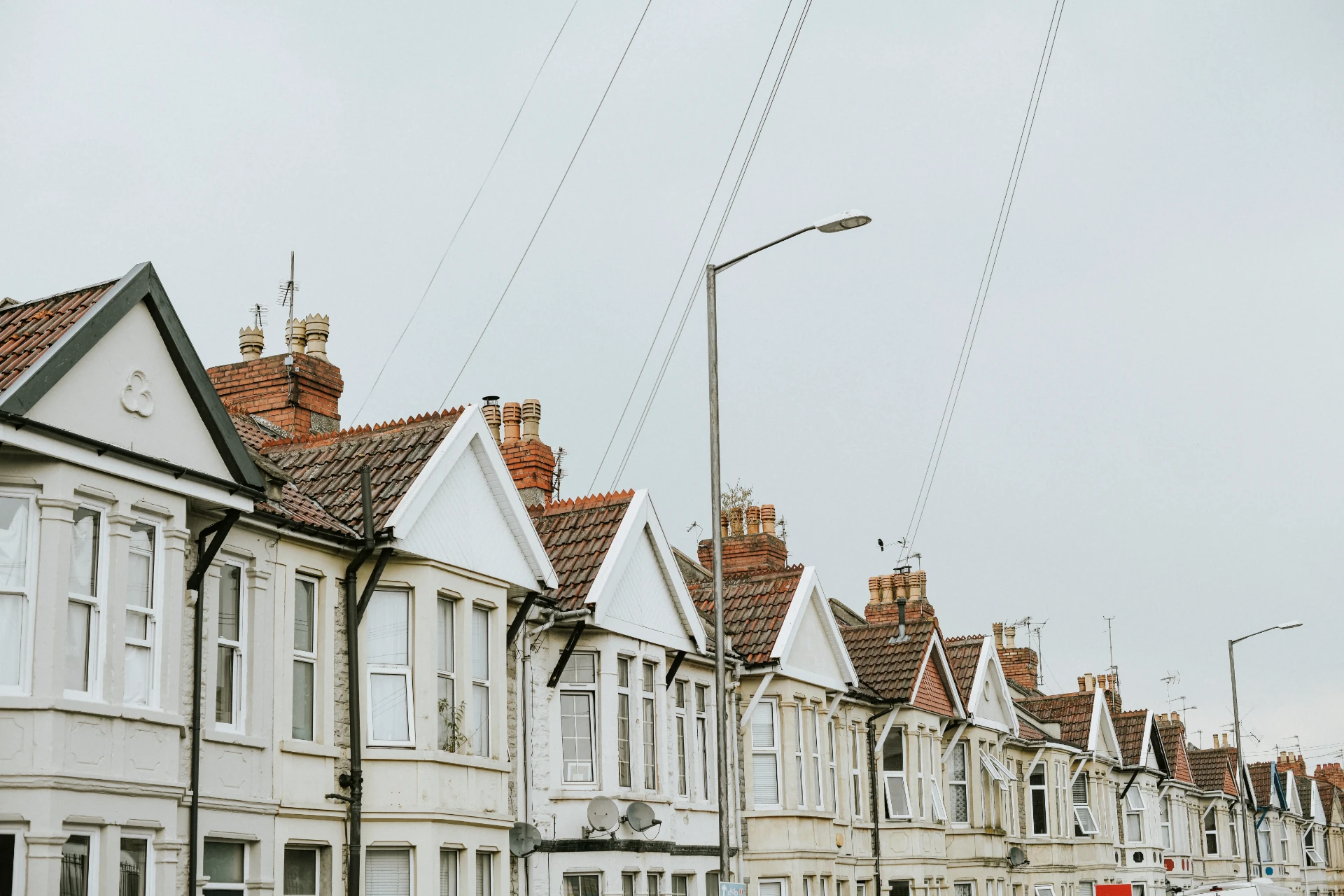
- Is the stack shared with a neighbour, as it is in most Dorset terraces?
- Do purlins, ceiling joists or the ridge bear on the stack or the breast?
- Is there a flue in use from another appliance in the same stack?
- What supports the masonry above once the breast below is removed?
- Does the work engage the Party Wall etc. Act, and does building control need to be involved?
Making the roof good
The finish is what people notice. Once the stack's down, we frame out the opening, fit new rafters and battens, lap the underlay correctly into the surrounding roof, and close the covering using tiles or slates salvaged from the work itself, so the repair blends into a weathered roof.
Done properly, you shouldn't be able to tell from the ground that a chimney was ever there.
Before you commit
Stacks on listed buildings and in conservation areas — and Dorset has plenty of both — often contribute to the character of the street, so removal may need consent, or could even be refused. It's also worth thinking about whether a future buyer might fancy an open fire or stove.
If the stack's sound and it's only the top that's failing, rebuilding the last few courses, renewing the flaunching and re-flashing is often the better-value answer — and we'll tell you so.
Common questions
What homeowners in Dorset usually want to know about chimney removal.
Ask us anything