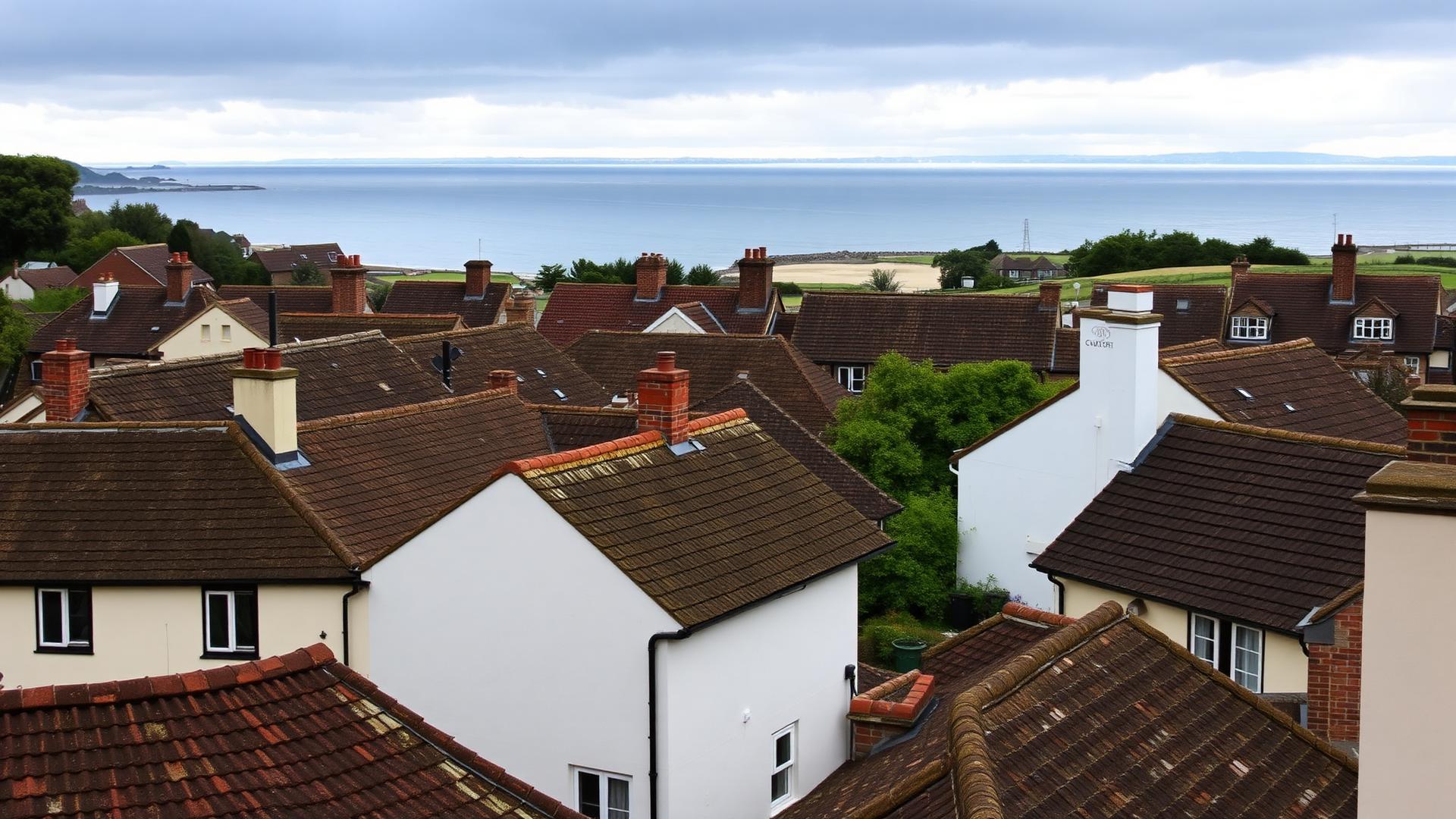
Where a stack has no future, removing it's often the sensible economic decision. Where it does have a future, we'll tell you that instead.
When a Somerset stack is past saving
- Lime or cement pointing washed out over successive wet winters
- Flaunching broken up, pots loose or leaning
- Damp patches on the breast in a room with no other water source
- Flashing that has been patched repeatedly rather than replaced
- Brick or stone faces spalling and dropping onto the roof
- An unused flue on a house heated entirely by other means
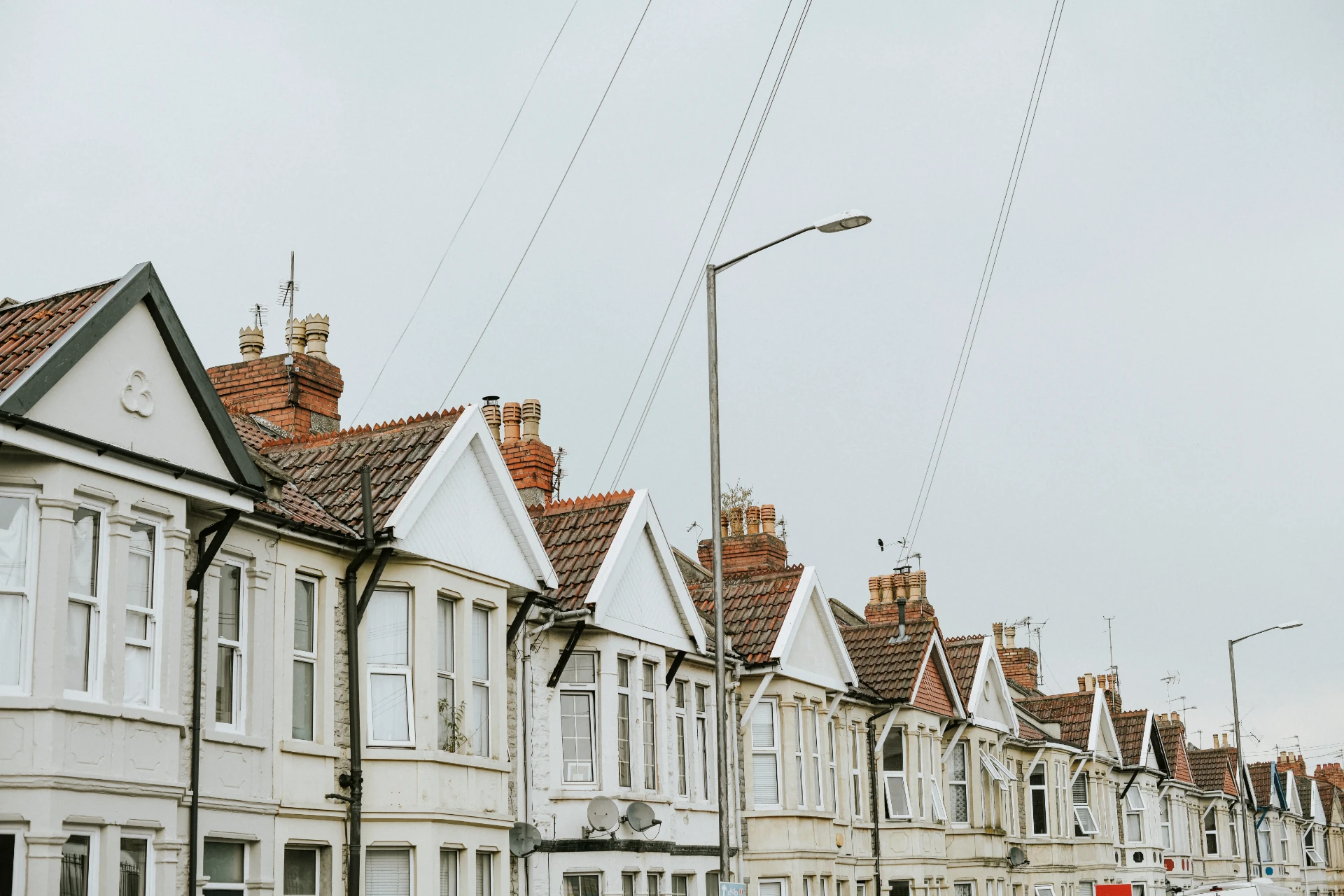
The route water takes into the house
Rain gets in at the pots and through open joints, then runs inside the flue or soaks through the masonry. It shows up on the chimney breast, often a floor or more below where it actually got in.
On stone and soft-brick stacks common across Somerset, that saturation also speeds up frost damage each winter.
- 1Driven rain gets in at the top of the stack
- 2Cracked flaunching around the pot
- 3Open pointing and spalled brickwork
- 4Water tracks down the flue
- 5Lead flashing — another failure point
- 6Staining shows on the chimney breast below
Down to roof level, or the whole breast
Partial removal deals with the weather-exposed section and is right for most redundant stacks. Full removal reclaims space inside but is a structural job that needs designing, propping and making good.
Retain & repair
Repoint it, re-flaunch, renew the flashing and cap it off. Keeps the roofline as built, though it does mean ongoing maintenance.
Down to roof line
We take off the exposed section and make the roof good, leaving the breast intact inside. Less disruption, and no internal work.
Full removal
Stack and breast come out completely, with structural support designed in. The biggest job, but it frees up floor space.
The take-down and the roof repair
Hand dismantling, controlled debris, flue capped or removed and remaining brickwork supported. Then the roof is framed, felted and re-covered with matched materials and new leadwork.
Access & protection
Scaffold up to the stack, roof and grounds protected, and a debris route planned before a single brick moves.
Take down
We take the stack down course by course rather than pushing it over, lowering brick and pot out safely.
Support & make good
The opening is framed and supported, rafters and battens made up, and underlay dressed in.
Weather the roof
Tiles or slates laid to match, leadwork or a weathered detail finished, so the roof reads as one plane.
Down to roof level, or all the way out
A common option is removal above roof level: the stack comes down to just under the covering, the opening is framed and closed with matched tiles or slates, and the inside of the house is left untouched. Repair or rebuilding may be more suitable where the stack remains useful or repairable.
Full removal takes the breast out floor by floor. It releases genuinely useful space in a small bedroom, but it's structural — the masonry above has to be carried on beams or engineered gallows brackets, and building control is involved.
Wet stacks and what they do to a building
A redundant stack with failed flaunching acts as a funnel. Water gets into the flue, soaks the brickwork and the plaster on the breast, and brings salts through the finish — which people often mistake for rising damp on an upstairs wall.
Removing the stack, or rebuilding and capping it with a ventilated cowl, stops that at source. A capped flue still needs ventilating, mind, or you're simply sealing moisture inside it.
Before you decide
- Is the property listed or in a conservation area, where the stack may be protected?
- Does anything structural bear on the stack or the breast?
- Is the stack shared with a neighbour, engaging the Party Wall Act?
- Might a wood-burning stove be wanted here in future — by you or a buyer?
- Would repointing, re-flaunching and re-flashing cost less than removal?
Finishing the roof
Salvaged tiles from the removal are used to close the opening so the repair weathers in with the surrounding roof. New rafters and battens carry the covering across, and the underlay is lapped into the existing layers correctly so water can't get behind it.
Common questions
What homeowners in Somerset usually want to know about chimney removal.
Ask us anything