The question often comes up at a valuation, an equity release application or a sale, when a surveyor reports that the roof structure cannot be fully inspected.
Recognising spray foam in a Weymouth loft
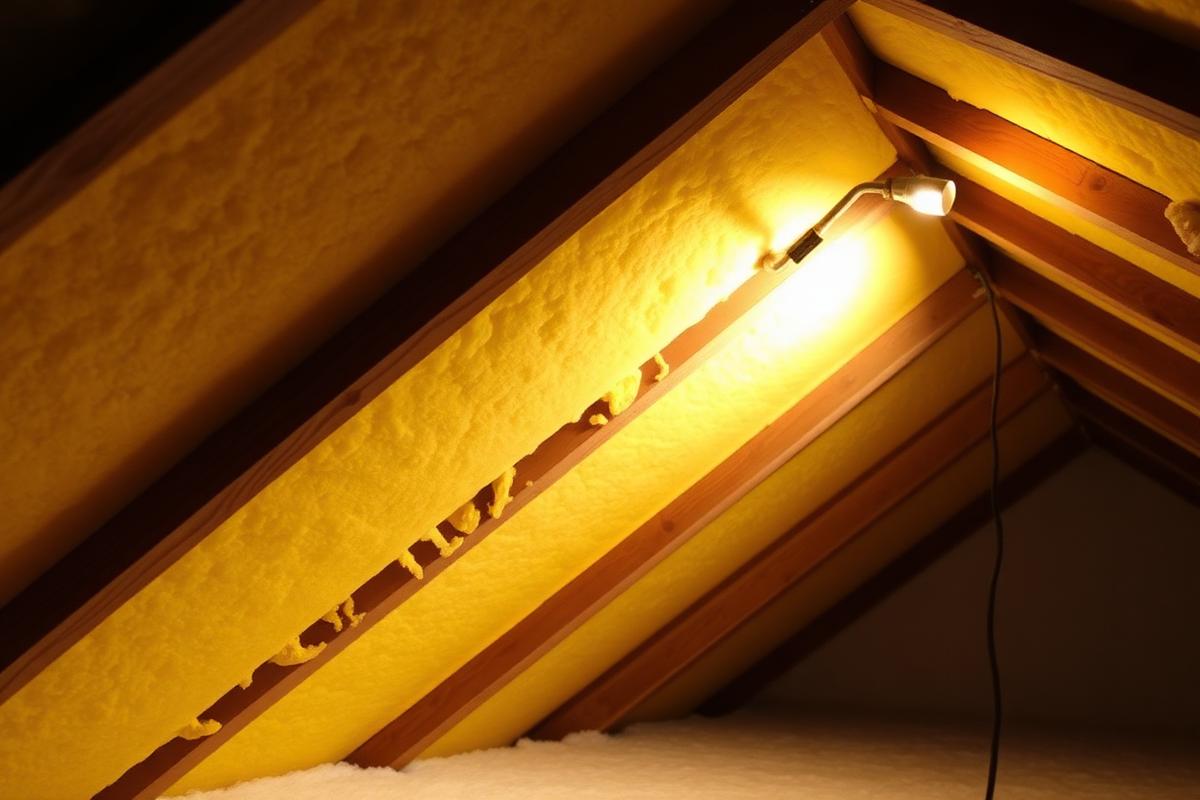
- Sprayed foam bonded to the underside of the roof, hiding all the timber
- Eaves gaps filled on one of the most wind-exposed coastlines in the county
- Condensation, musty smells or damp boxes in the loft
- A sale or equity release application held up at survey
- A written objection from a lender, insurer or surveyor
Exposure, driven rain and a sealed roof
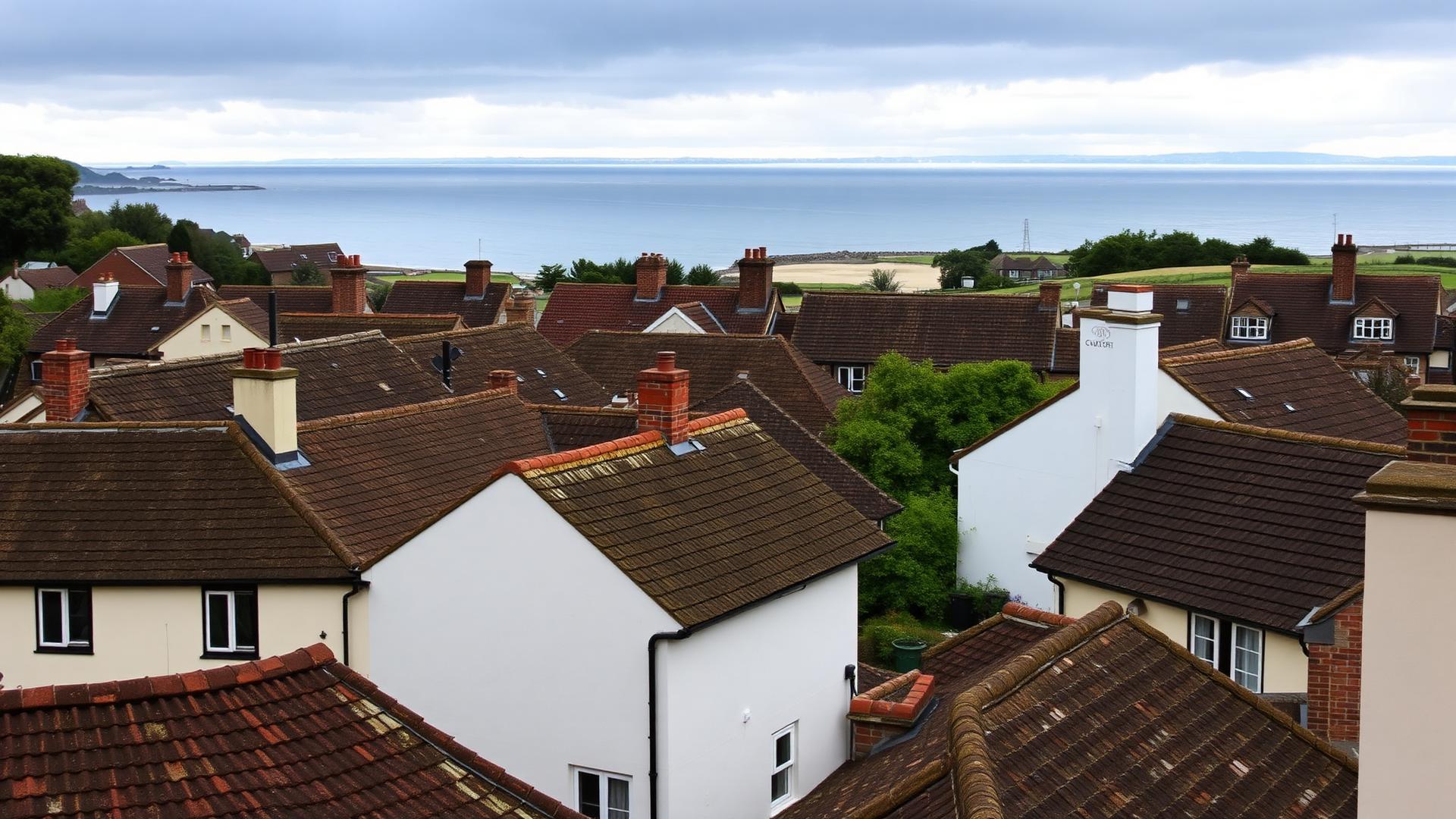
Weymouth roofs take weather straight off the Channel with very little shelter. That makes ventilation more important here, not less — any moisture that gets into a roof needs a way straight back out again.
Foam across the slope takes that route away, and where it's bonded to the rafters the timber can't dry outwards either. We simply can't tell you the condition of anything underneath while it's in place.
- 1Spray foam bonded to the underlay, battens and rafters
- 2Eaves ventilation blocked
- 3Moisture held against the timber
- 4Rafters, battens and underlay cannot be inspected
The strip-out, step by step
We survey and identify the foam type, protect the route and rooms below, cut the foam back off rafters, battens and felt, take all the waste away from site, photograph the exposed structure, reopen the eaves and reinstate insulation at ceiling level.
Loft survey
We check the foam type, thickness and how much timber is bonded, and price it from what's actually there.
Strip out
Foam cut back from the rafters, battens and underlay, with the loft and access route protected throughout.
Timber inspection
Once the structure's exposed, we photograph it so the roof can finally be properly assessed.
Reinstate
Waste removed, ventilation reopened at the eaves, and insulation put back at ceiling level.
The three options side by side
Leaving it keeps part of the roof hidden. A partial strip may suit a fragile roof. Removal may make more of the structure inspectable and allow ventilation details to be reviewed, depending on the construction and condition.
Leave it
Costs nothing today, but the roof stays hidden and any ventilation or inspection concerns remain to be assessed.
Partial strip
Cheaper, and sometimes it's all that's possible on an awkward roof. Any residue left on the timber will still hide parts of the structure.
Full removal
Removal can expose the timber for inspection and allow ventilation details to be reviewed — and we photograph what was underneath.
The risk in an exposed coastal roof
Foam can hold moisture against timber and hide the structure from view. On a roof exposed to driven rain, the effect depends on the covering, ventilation and how the foam was installed, so inspection is important.
Closed cell foam is the trickier case — rigid, tightly bonded, and it often takes the felt with it when it comes off. Open cell blocks inspection and ventilation too, even where it does less physical damage.
How we remove it
- Inspect the loft and identify the foam type and how well it's bonded to the membrane
- Protect the hatch, landing and rooms below before we start
- Mechanically strip the foam from rafters, purlins and the underside of the felt
- Clean the timber down so the structure can be properly inspected and reported on
- Give you an honest report on any decay, damp or membrane condition found beneath
- Reinstate ventilation at eaves and ridge and clear all the waste away
Afterwards
Where the membrane's beyond saving, re-covering is usually the best route back to a weathertight roof, and doing it alongside the strip-out means you share the scaffold and the disruption. Where the felt's survived, conventional insulation at ceiling level restores performance while leaving the roof ventilated and inspectable.
Common questions
What homeowners in Weymouth usually want to know about spray foam insulation removal.
Ask us anything